
Resistance Runs Deep
Lessons of Collective Action and Solidarity from the Underground Railroad
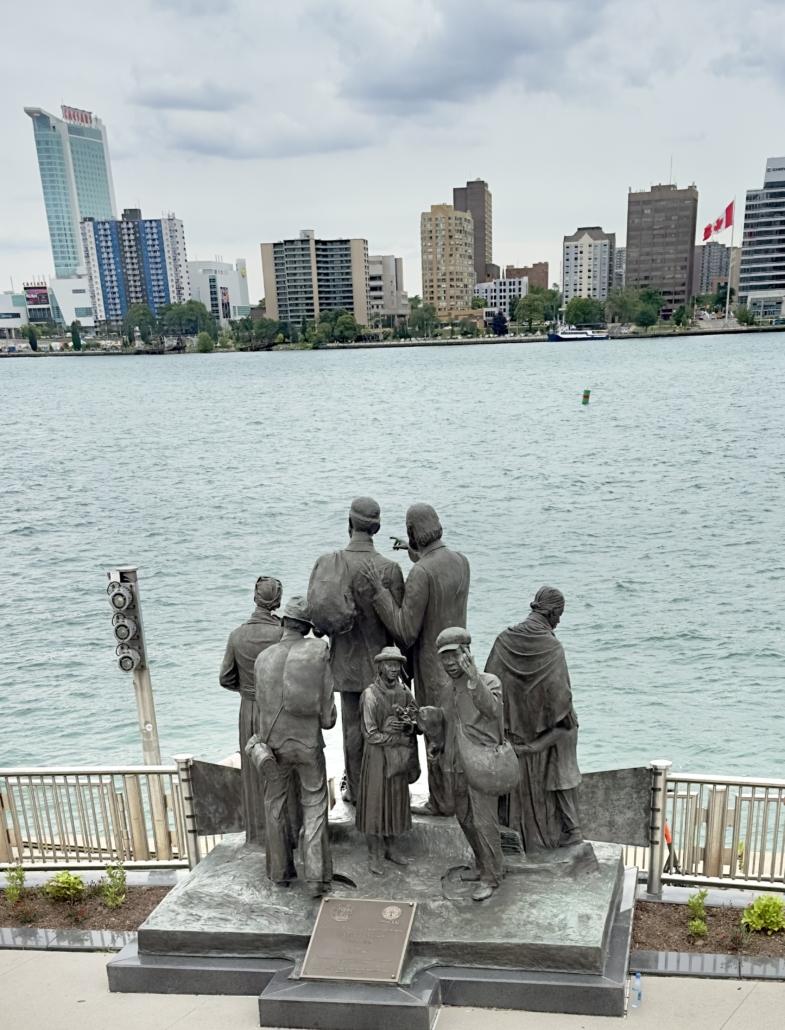
At The Water’s Edge
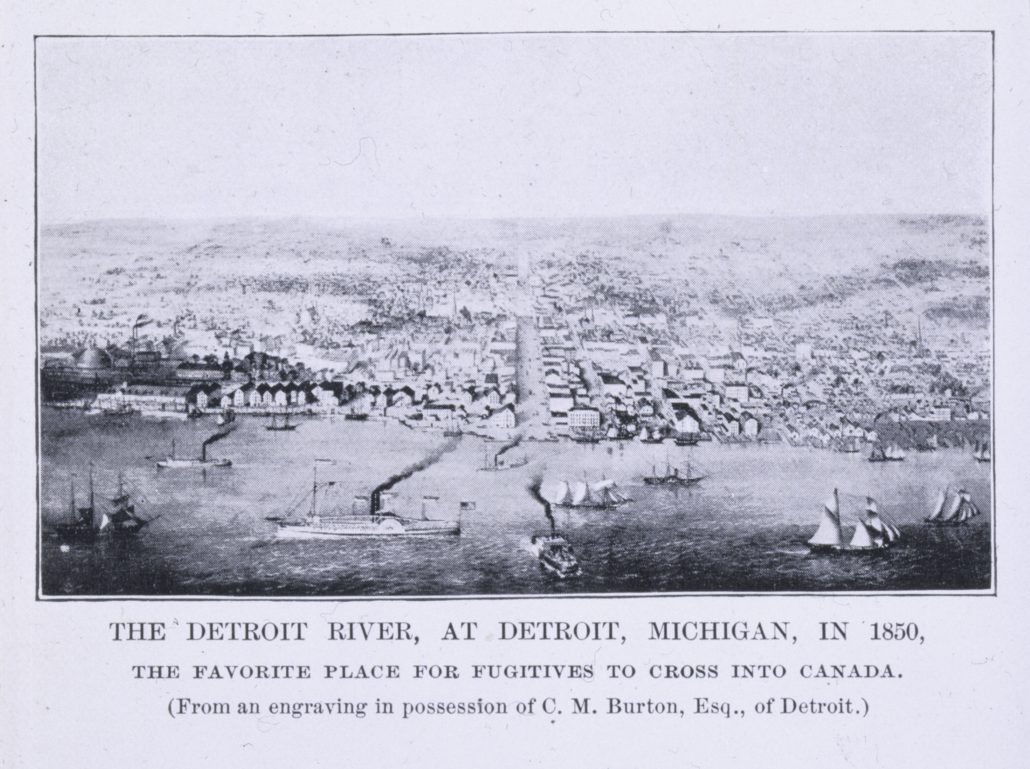
In the 1800s, the deep, dark currents of the Detroit River held both danger and deliverance.
On the last stretch of a grueling journey, freedom seekers might find themselves at the water’s edge, hearts pounding with fear and anticipation. On the opposite shore lay Canada, where slavery had been abolished and a new life finally hovered within reach. No more stolen labor, stooping over crops sunup to sundown for enslavers’ profit. No more whipping posts and auction blocks and families ripped apart. For the first time, their humanity would be recognized by the law.
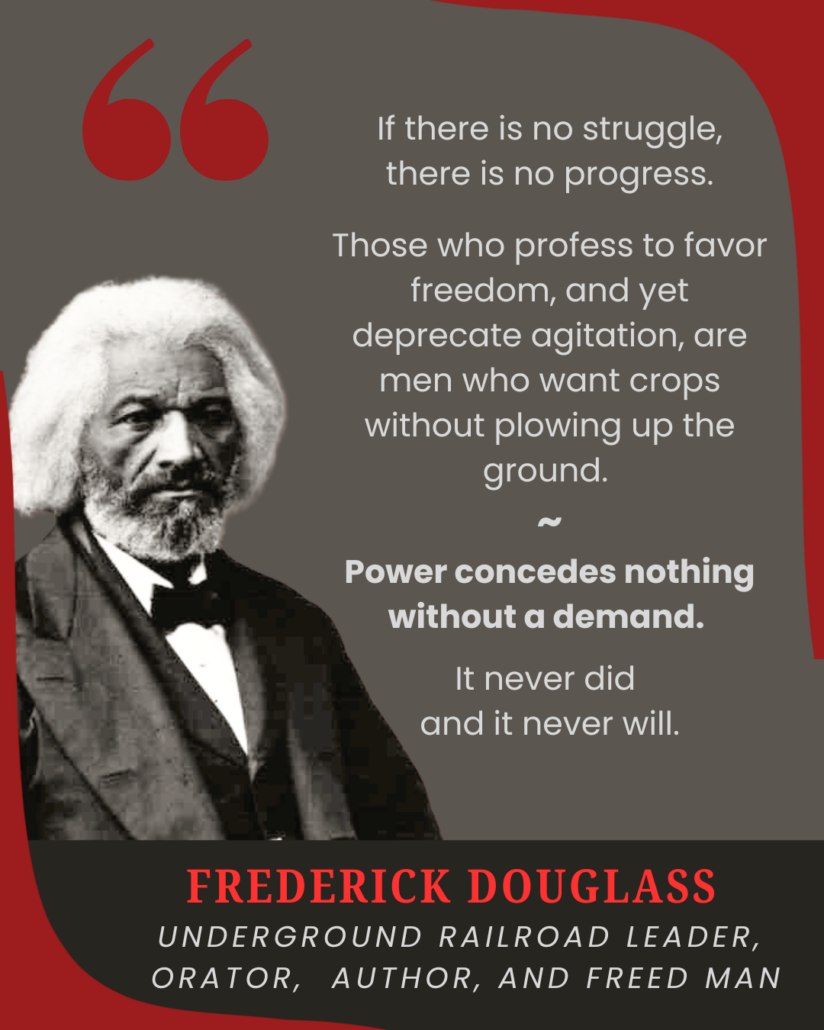
“I do not recollect of ever seeing my mother by the light of day. She was with me in the night. She would lie down with me, and get me to sleep, but long before I waked she was gone.”
– Frederick Douglass
Underground Railroad Leader, Abolitionist, Author, Orator, Formerly Enslaved Freedom Seeker
The river became the bridge to the first breath of that new life.
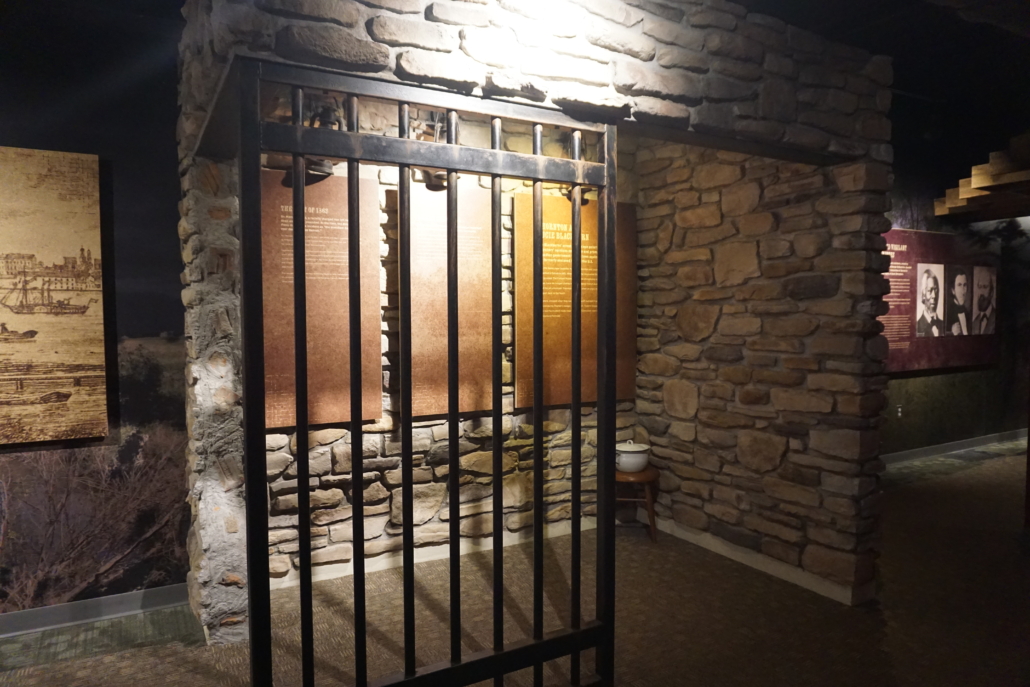
At this critical crossing, evading capture could mean clinging to a flimsy raft or rowboat, slipping stealthily aboard a ferry, or crawling through a secret tunnel like the one beneath the original Mariners’ Church. Precise timing and trusted lookouts were key, and that need mobilized communities in Detroit.
The odds of even making it this far were low. Only a small fraction of freedom seekers across the country would ever reach their destination. Those brave enough to undertake the journey faced relentless danger and revenge, including branding, whipping and death. The system was designed to shatter their hope.
The institutional power behind the slave trade was deeply entrenched. Wealthy interests depended on it. Fugitive Slave Acts protected it. Bounty hunters profited from it. In fact, despite some restrictions, slavery existed in Detroit until it was fully prohibited when Michigan was established as a state in 1837.
Yet against those forces stood another kind of power: ordinary people with extraordinary courage, in places like Detroit.
“The Negro slave, denied education, de-humanized, imprisoned on cruel plantations, knew that far to the north a land existed where a fugitive slave if he survived the horrors of the journey could find freedom.
The legendary underground railroad started in the south and ended in Canada. The freedom road links us together.”
– Rev. Dr. Martin Luther King, Jr.
Detroit Resists
Detroit’s legacy of social justice began long before factories and freeways. It was alive and powerful here at the water’s edge, where geography had made Detroit a critical crossing, but people helped make it a bridge to liberty for more than 40,000 freedom seekers.
As early as 1807, decades before the first physical railway in the area was built, the grassroots movement of the underground railroad was already proving the power of solidarity and collective action. That fighting spirit continues to define Detroit. As UAW members, we see its echoes in the unionizing of hundreds of thousands of autoworkers, the Walk to Freedom with Dr. Martin Luther King, Jr., and today’s fights for civil rights and the working class.
“I am for civil rights as a matter of human decency, as a matter of common morality. But I am also for civil rights because I believe that freedom is an indivisible value.”
– Walter Reuther
UAW President 1946-70
“I plead guilty of having helped runaway slaves to get to Canada. I was obeying a higher law even than my country’s.”
– Levi Gildersleeve
Abolitionist
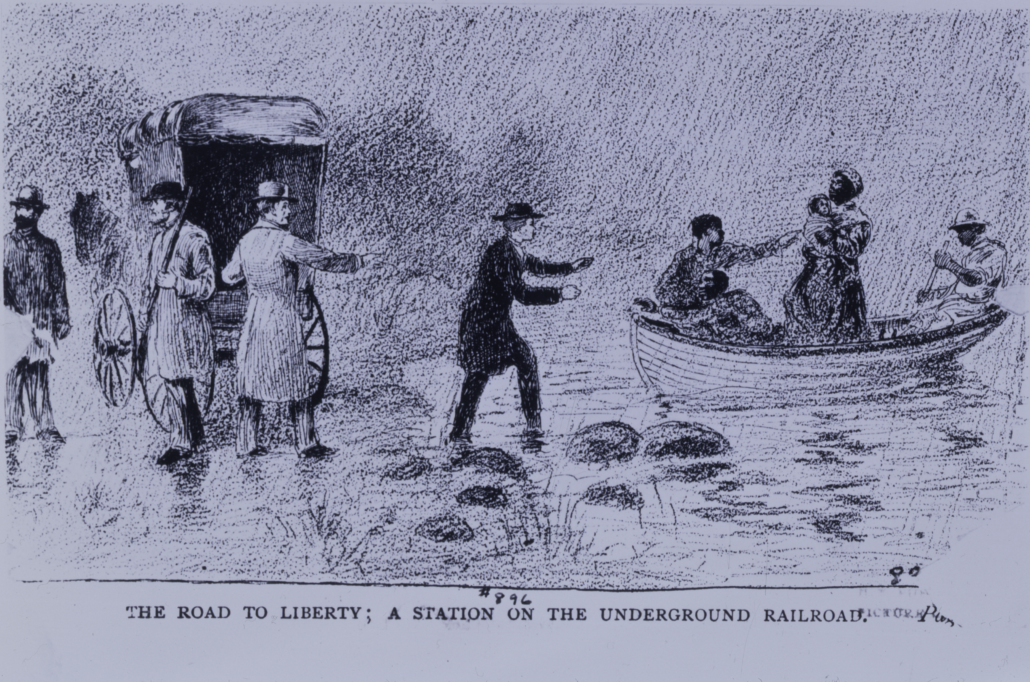
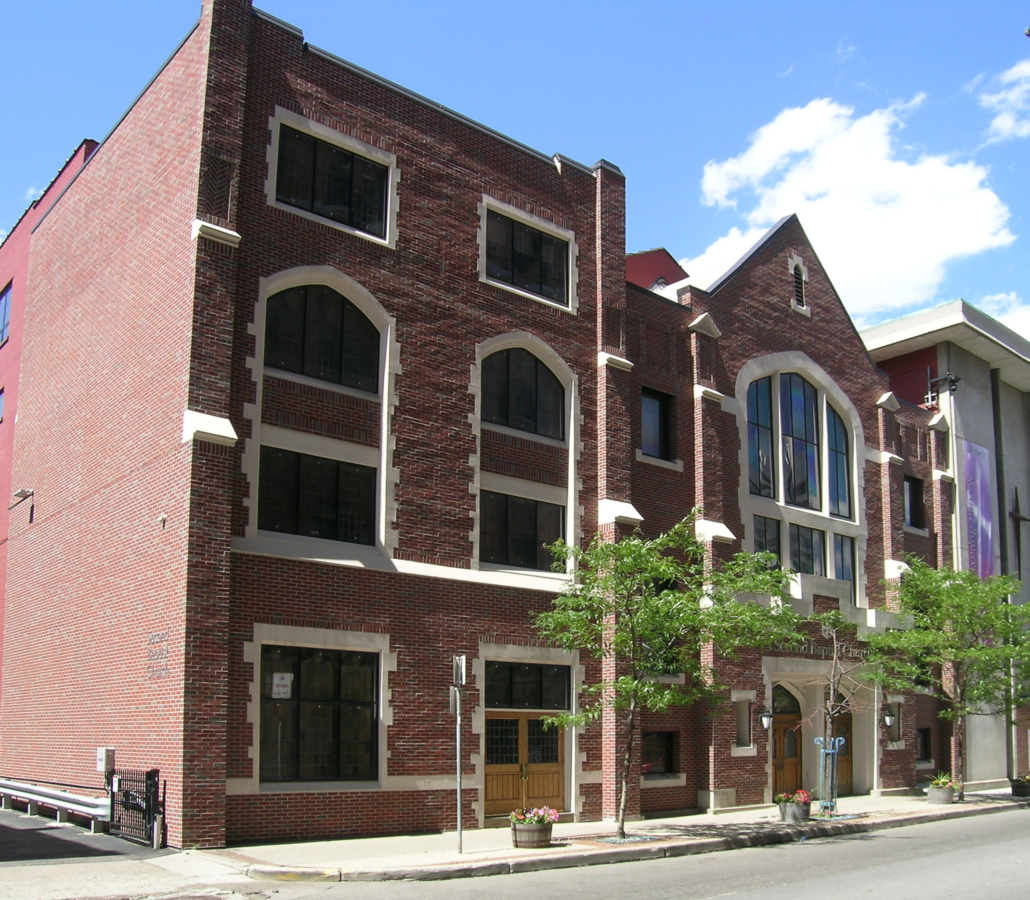
While freedom seekers largely devised their own escapes, it was mostly free and formerly enslaved Black people who led the vital support efforts. In Detroit, Second Baptist Church sheltered thousands of freedom seekers within its walls, many of whom were ferried to safety by George DeBaptiste, a free Black business owner, in his steamboat disguised as a wood‑hauling vessel.
Standing with them in solidarity were Indigenous allies, White abolitionists, Quakers, and others committed to liberation. The movement drew strength from people with different experiences and resources who aligned to outmaneuver a system built to crush resistance. Ingenuity showed up in crafty disguises, creative hiding spots like caskets and crates, skilled forgeries, and surreptitious horse swaps to throw off bloodhounds. Warnings and guidance might be delivered through coded songs and bird calls, satirical newspaper columns, artwork, and quilt patterns.
“Our spirituals, now so widely admired around the world, were often codes. We sang of “heaven” that awaited us and the slave masters listened in innocence, not realizing that we were not speaking of the hereafter. Heaven was the word for Canada and the Negro sang of the hope that his escape on the underground railroad would carry him there.”
– Rev. Dr. Martin Luther King Jr.
Solidarity
Solidarity takes different forms as it steps between an oppressive system and those at its mercy. A hidden passage. A courtroom protest. A speaking circuit. An organizing drive for a first union contract. A strike line.
In every space, it strengthens us.
Solidarity begins when people face the same threat and choose to stand together against it. It runs even deeper when we recognize that another person’s freedom, safety, and equality are connected to our own humanity and our shared future. Freedom, as Walter Reuther said, is an indivisible value.
That truth lay at the heart of the underground railroad movement.
A Monumental Legacy
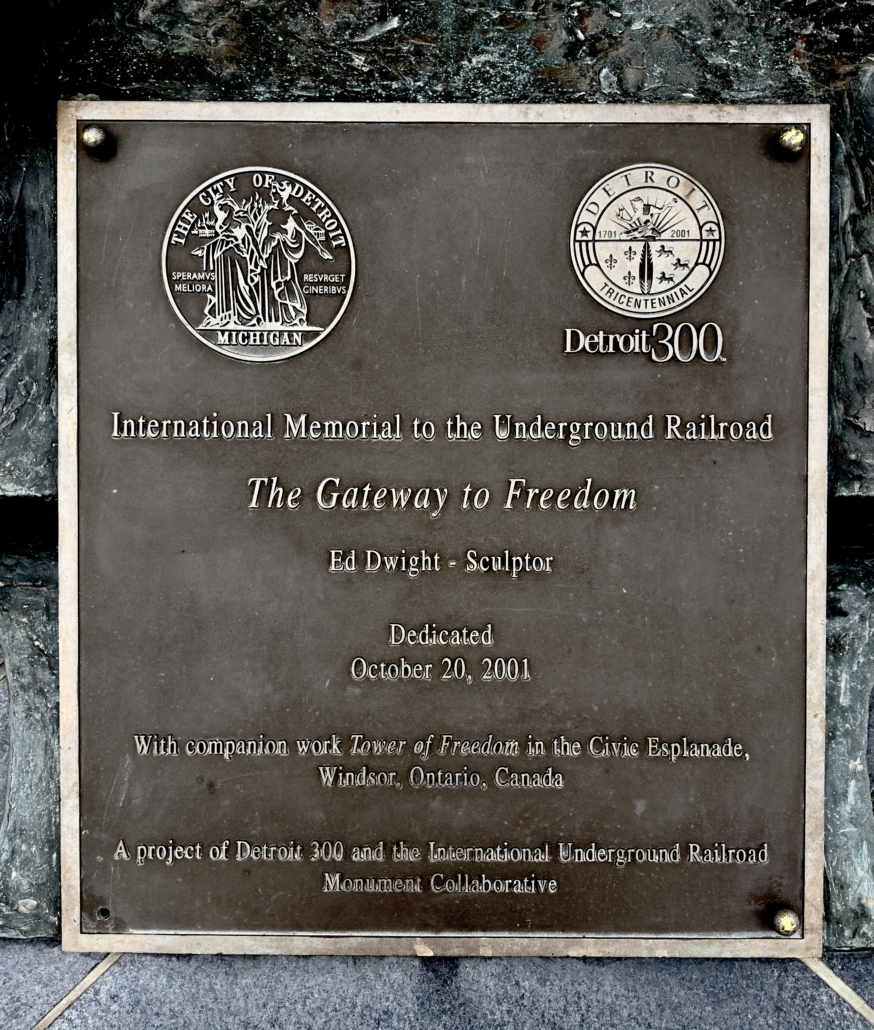
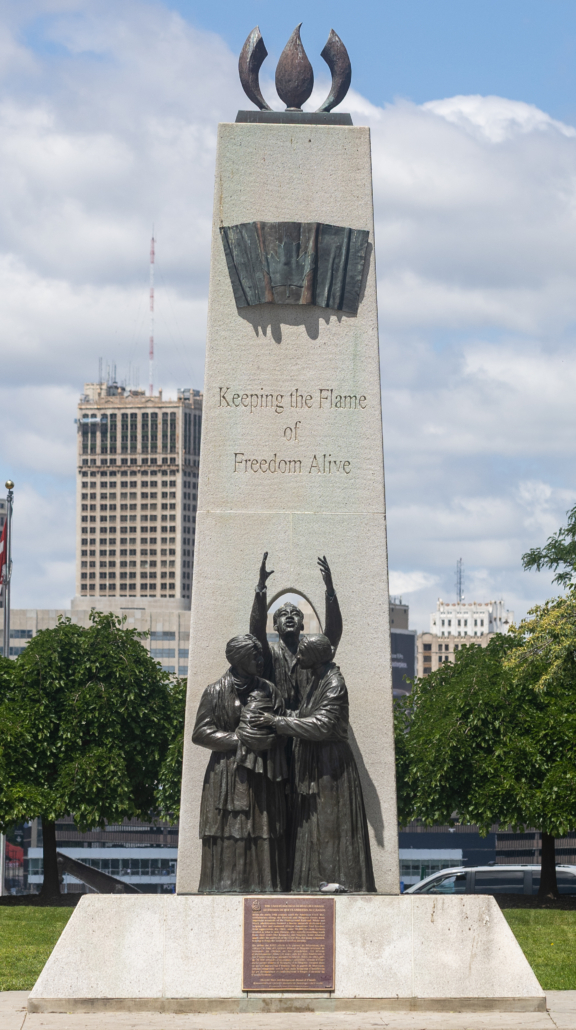
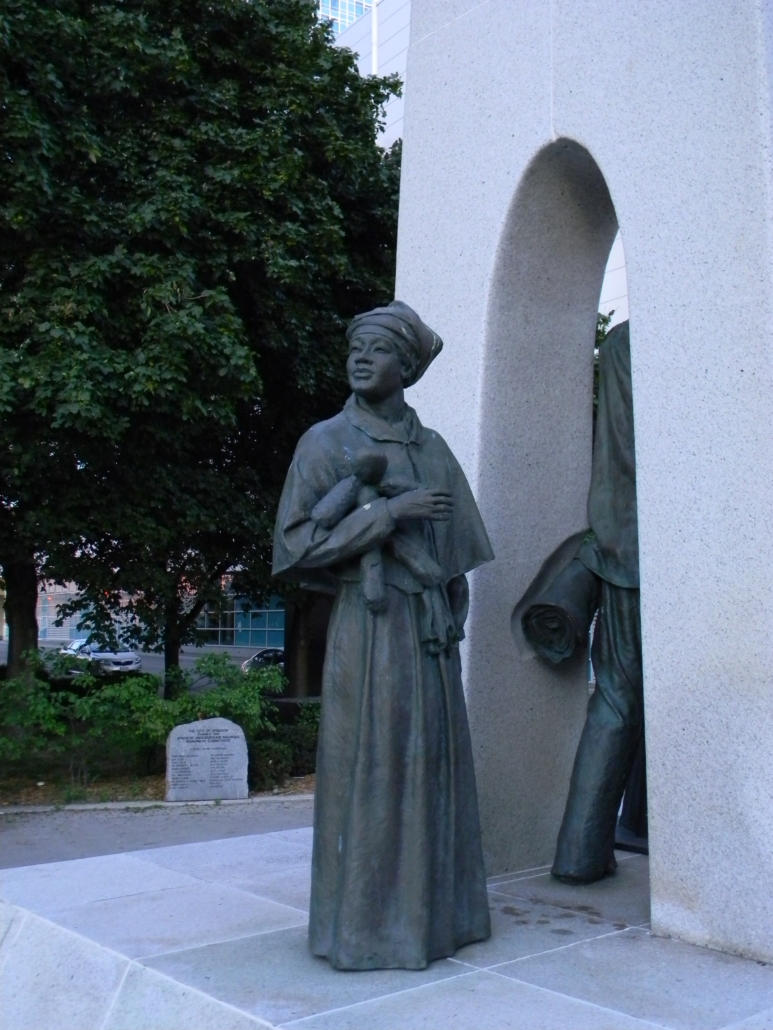
Today, its history is remembered through a pair of Underground Railroad monuments facing one another across the Detroit River, symbolically recreating the bridge to freedom.
“Thanks be to Heaven that I have got here at last: on yonder side of Detroit River, I was recognized as property; but on this side I am on free soil.”
– A Newly Freed Person in Canada, 1846
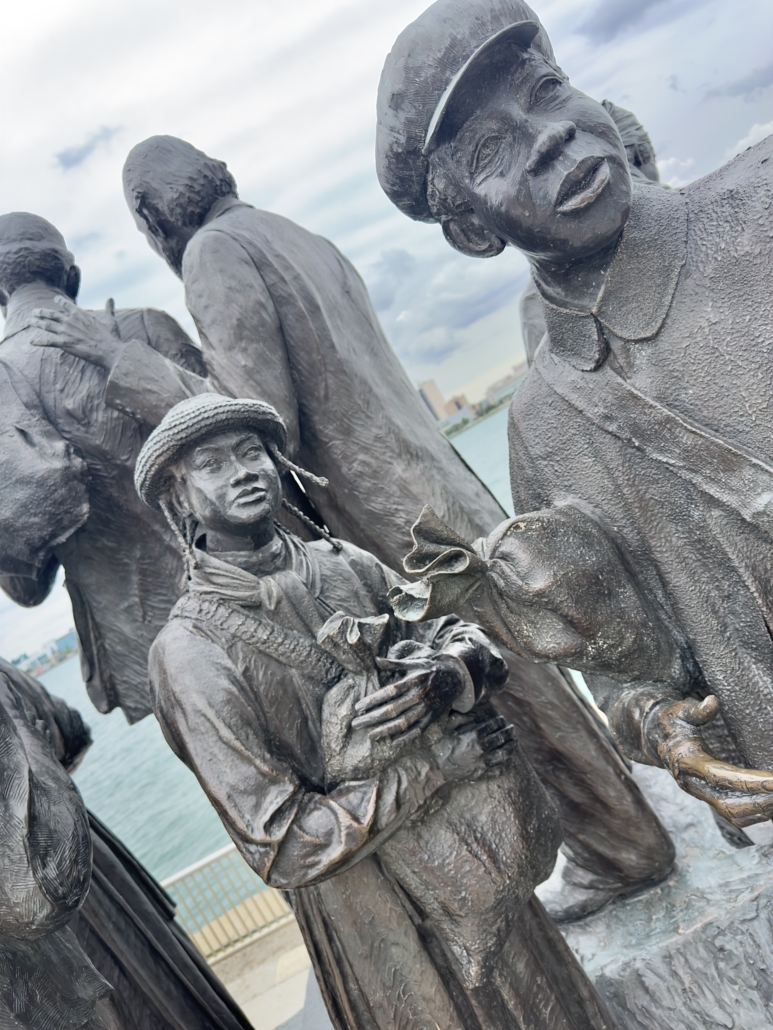
On Detroit’s riverfront, in Hart Plaza, the Gateway to Freedom sculpture captures the hope and determination of a small group of freedom seekers, braced against the wind and the odds. Engraved quilt patterns recall the movement’s ingenuity and cooperation.
Across the water and down a side street in Windsor, Ontario, the granite Tower of Freedom celebrates the journey’s end, with intricate carvings that evoke the overwhelming joy of being free at last. Its bronze eternal flame reminds us that the work never ends.
The monuments honor the courage and actions of the freedom seekers who pursued their own liberation, the Black leaders who built the movement, and the allies who refused to accept injustice as inevitable. We are reminded that solidarity is a powerful force that crosses borders and challenges oppressive systems.
We Are All Detroit
There is no greater tragedy in our nation’s history than slavery, and from those who fought for freedom we inherit lessons that still speak to us today.
The history of the Underground Railroad does not belong only to Detroit. It stretches south to Mexico and north to Canada, through swamps in Louisiana, alleys in Philadelphia, churches in Ohio, and every space where people chose courage over compliance. Through personal and collective acts of resistance, their actions pushed the nation into confronting its great moral failure. Collective action has long been a proven force against institutional power, and that principle still speaks to us today.
It invites us to ask ourselves and each other, “What would happen if we treated every struggle for justice as a shared one?”
The answer is not written yet, but every act of solidarity brings it closer.
To Learn More
- detroithistorical.org/exhibitions/doorway-freedom-detroit-and-underground-railroad
- visitdetroit.com/inside-the-d/ways-experience-detroits-underground-railroad/
- storymaps.arcgis.com/stories/8df56077cd704c8caede60fc87bb7342
- loc.gov/collections/slave-narratives-from-the-federal-writers-project-1936-to-1938/articles-and-essays/voices-and-faces-from-the-collection/
- https://www.michigan.gov/mhc/michigan-history/michiganfreedomtrail