Training

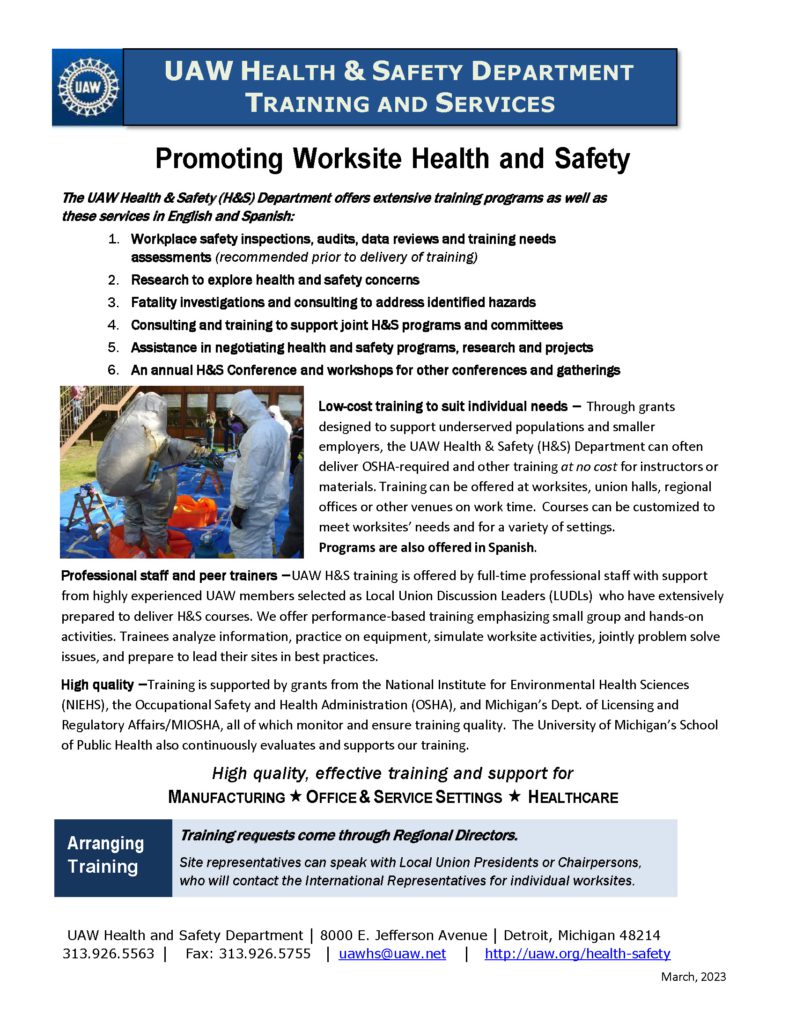
The UAW Health and Safety Department provides Local Unions and their respective companies with:

  • Assistance in negotiating health and safety programs
  • Reviewing injury/illness information and chemical exposure data
  • Conducting research
  • Participation in governmental and consensus standard setting
  • Developing joint health and safety training programs
  • Delivering health and safety training.

About Training Programs

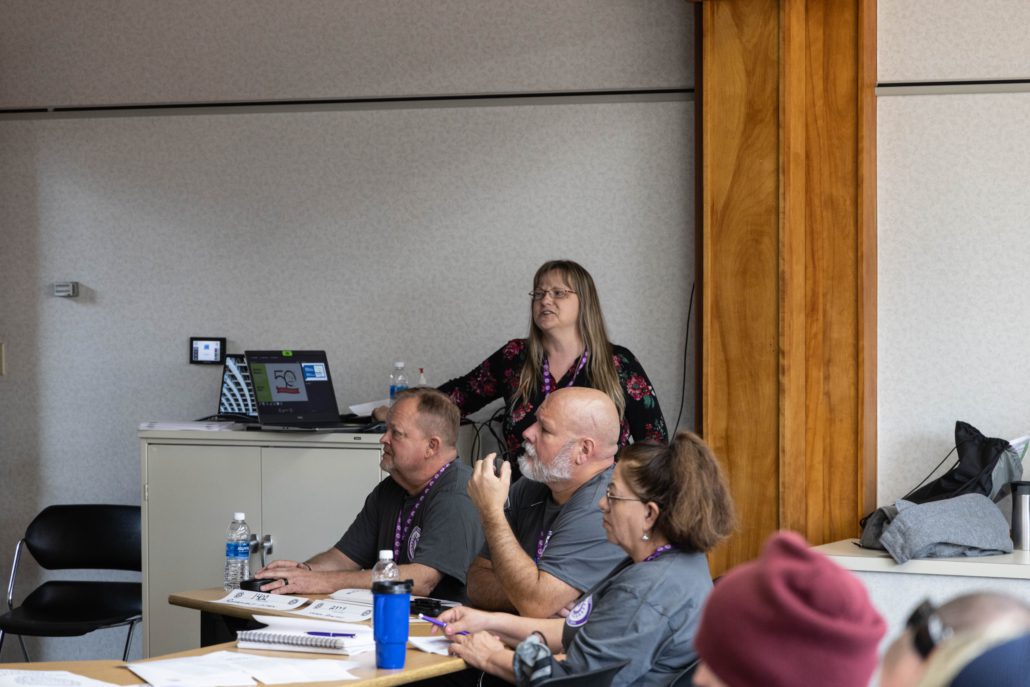
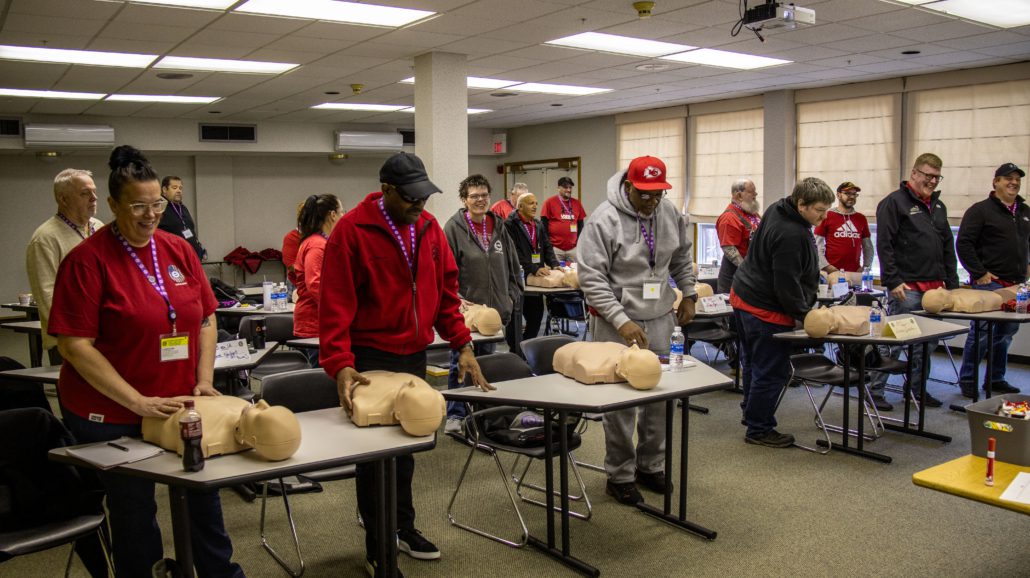
The UAW can deliver high quality health and safety training free of charge (no instructor or material fees) at the worksite, on work time. This is accomplished with support from Federal, State and Local grant funding (when applicable).Training can also be delivered at union halls, regional offices, or other venues in the field.

UAW training at the worksite is conducted by a full-time staff and experienced peer safety trainers. These peer trainers are UAW members designated as Local Union Discussion Leaders trained in adult learning techniques.

Training Programs & Services Offered

Attention Attention

Right to Know/Chemical Hazards

This basic 4-hour course is required by the OSHA HazardCommunication Standard for all workers (OSHA 1910.1200, MIOSHA Parts 92 & 430) and is tailored to specific workplace needs. Topics include: rights under the standard, how to read safety data sheets and recognize exposures, the health effects of chemicals and protective measures. It also includes response to spills and leaks for workers not covered by the HAZWOPER Standard.

  • Globally Harmonized System (GHS) of Labeling and Classifying Chemicals – Programs of various lengths are available to meet the requirements of OSHA’s 2012 updated Hazard Communication Standard.
  • Hazardous Materials Awareness TTT – This 16-24-hour course prepares worksite trainers to offerRight to Know and GHS training.
Block Block

Confined Space

These programs are required by OSHA’s Permit-RequiredConfined Spaces Standard. (OSHA 1910.146(g), MIOSHA Part 90).

  • Entry Training – This 3-hour awareness program covers the definitions of confined space and permit-required confined space (PRCS) and includes exercises in recognizing potential hazards.
  • Permit Required Confined Space (PRCS) Entrant, Attendant and Entry Supervisor Training – This 8-hour course adds to topics above with the requirements for a PRCS Entry Permit, responsibilities of Entrants, Attendants and Entry Supervisors, rescue requirements in PRCS, ventilation, air monitoring, and Personal Protective Equipment (PPE) for entry.
Users Users

Launching and Sustaining Effective Joint H&S Committees

8-hour program, labor and management representatives charter new or review existing committees’ operations, address common challenges, and engage in health and safety program planning.

  • Committee Awareness Training – This 8-10 hour program includes the 4-hour Right-to-Know course plus how OSHA works, rights and responsibilities, and hazard recognition. Sites can also choose topics including: Workplace Inspections, Bloodborne Pathogens, Hazards of Specific Sectors, and Methods for Controlling Hazards, etc.
Tag Tag

Industrial Emergency Response (IER)

These programs are required by OSHA’s HazardousWaste Operations and Emergency Response Standard (HAZWOPER). (OSHA 1910.120, MIOSHA Part 432)

  • 8-hour Awareness Program – This course is for persons who may be in spill areas, but do not perform defensive actions. It covers topics in the 4-hour Right-to-Know course, plus: what to do in an emergency, HAZWOPER requirements, participants’ role in emergency response plans, and preventing chemical emergencies.
  • 24-hour Operations Level Program – This course offers hands-on training for those designated totake defensive action to control or clean up chemical spills, leaks, or other emergencies. Topics added to the 8-hour program include: incident command, NIOSH pocket guide, DOT Guidebook, NFPA information, spill control procedures, using air monitoring equipment, using air purifying respirators,SCBAs and other personal protective equipment, and decontamination. The course ends with a planning session about how to apply the training in your worksite.
  • 40-hour Technician Level Program – This course is for persons designated to take offensive action s such as entering a hot zone to shut off valves or patch leaks. It includes the 24-IER topics plus hands-on exercises in stopping simulated leaks and dressing in appropriate levels of protective gear.
  • 8-hour Annual Refresher – Selected topics from the 24-hour program are covered to meet OSHA requirements for annual refresher training.
Battery Battery

Energy Lockout

These programs are required by OSHA’s Control of Hazardous Energy Standard (lockout/tagout or LOTO). (OSHA 1910.147, MIOSHA Part 85)

  • LOTO – Affected Worker – This 1-2 hour course is designed for workers who do not perform LOTO but may be impacted by hazardous energy. It covers how to recognize hazardous energy and when a LOTO is in progress, and how to protect themselves from risks.
  • LOTO – Authorized Worker – This 3-4 hour course covers LOTO procedures for skilled trades, setup workers, and operators who adjust, repair, replace or un-jam parts in machines or equipment, including recognition of hazardous energy and each site’s LOTO program.
  • Electrical Safety (OSHA SubPart S) – This 8-hour program is designed for skilled trades and others who perform electrical work on or near exposed conductors of 50V or more. It provides comprehensive information on the requirements of Sub Part S, and the prevention of serious injuries from electrical hazards. NFPA 70E is also discussed.
  • Electrical Hazard Awareness – This 1.5 hour program is for those who work in the area of electrical hazards to heighten their ability to recognize hazards and protect themselves from risks.
Box Box

Ergonomics

Strains and sprains, back and shoulder injuries, carpal tunnel syndrome and other cumulative trauma disorders account for over half of lost time due to injuries. These three classes are offered as a package to give sites the support they need in hosting robust preventive programs.

  • 4-hour Leadership Awareness – This course offers leaders an overview of typical ergonomic concerns and responses in workplaces, and how joint ergonomics committees can implement job improvements and reduce risks. It sets the stage for offering training to others in the work site.
  • 40-hour Advanced Program for Joint Committees – This course gives those who implement ergonomics programs a broader understanding of the sources of health effects, as well as methods of job analysis and abatement. Teams analyze jobs and propose solutions for worksites.
  • 1-hour Shop Floor Awareness – This course prepares all employees to recognize ergonomic stressors and the signs and symptoms of ergonomic disorders so that they can report concerns and work with Committees. We offer ongoing support for your site’s effective employee participation.
Traffic-cone Traffic-cone

Powered Industrial Truck (Forklift) for Operators

This 4-hour program offers the classroom portion required by OSHA standards for operators. (OSHA 1910.178, MIOSHA Part 21)

  • Powered Industrial Truck Train-The-Trainer – This additional 12-hour course prepares site personnel to qualify as trainers

Eastern Michigan University

Eastern Michigan University’s OSHA Training Institute Education Center offers OSHA Outreach Training and many other safety courses. Programs are individually priced and available on-site (with flexible costs), online, and as open enrollments.

Participants receive OSHA Completion Cards.  Courses include:

  • 10-hour OSHA General Industry Outreach: Standards and Hazard Recognition – This course explains the application of seven required OSHA Standards with a focus on recognizing hazards.
  • 30-hour OSHA General Industry Outreach: Standards and Hazard Recognition – This provides more in-depth information on a greater number of mandatory and selected Standards and topics.
  • Combustible Dust Hazards
  • Confined Space – Courses for entrants, attendants, supervisors and rescue teams.
  • Ergonomics
  • Fall Protection
  • HazWoper
  • Lock-Out/Tag-Out


The 2026 Health & Safety Conference has been postponed!

2026 Health & Safety Conference

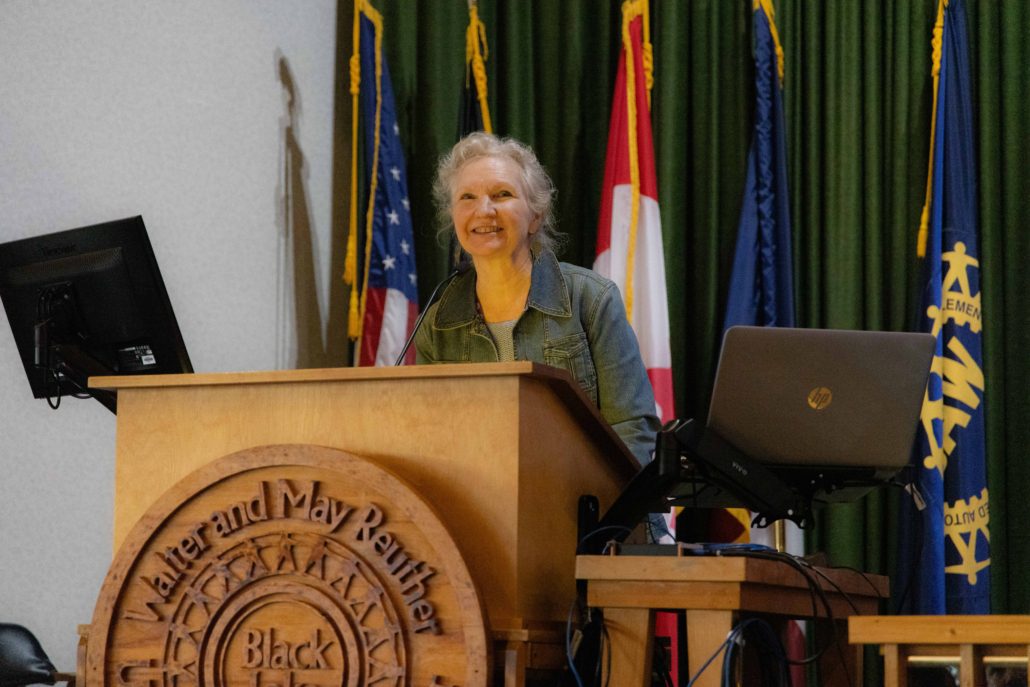
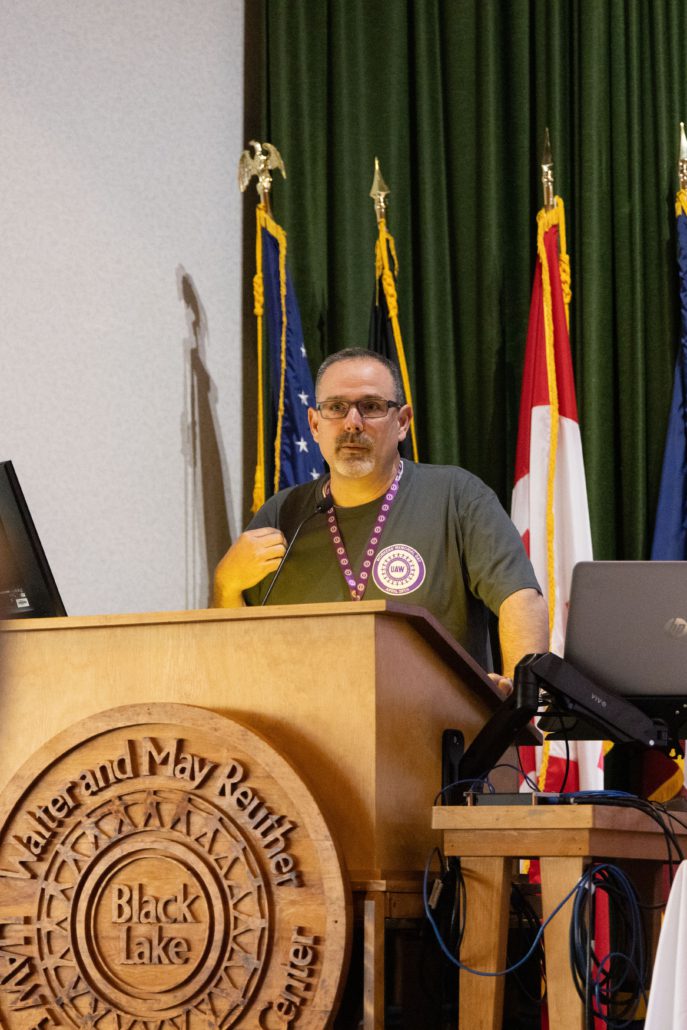
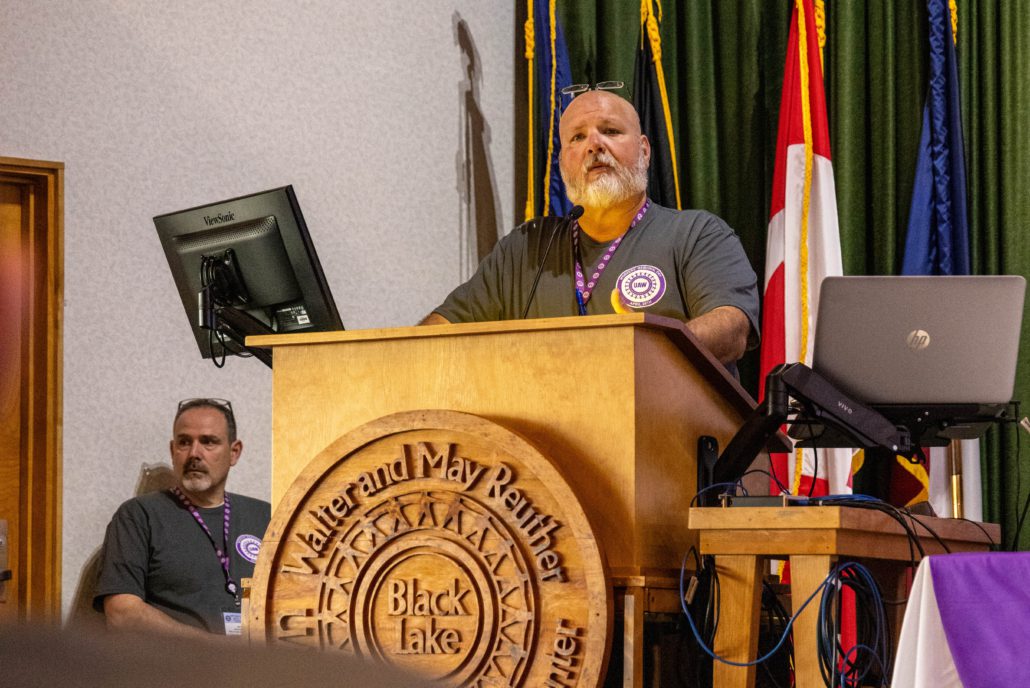
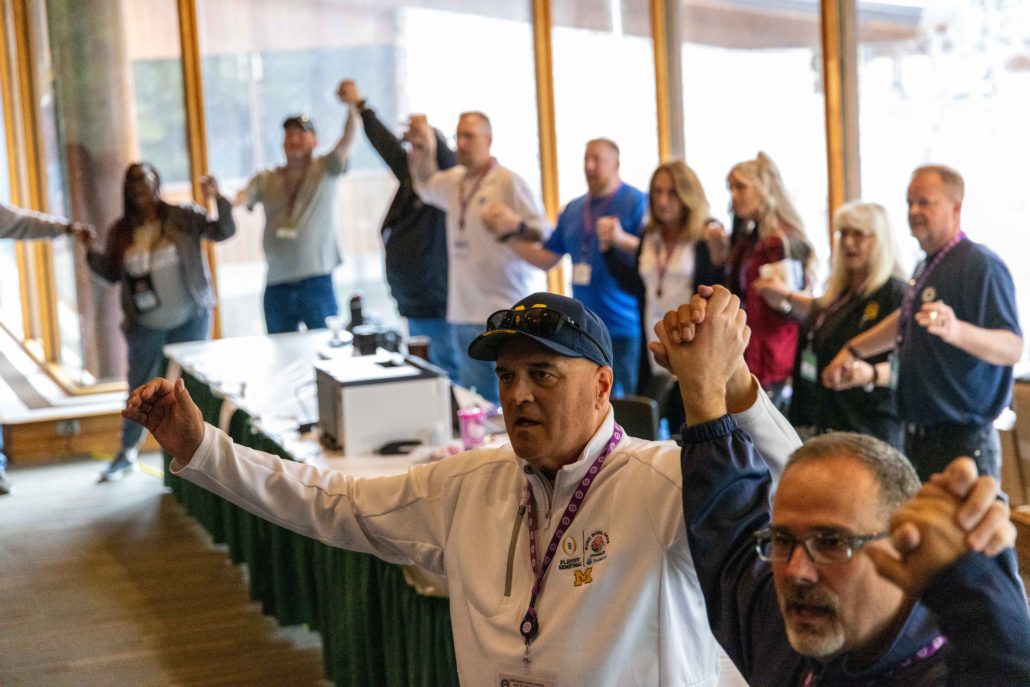
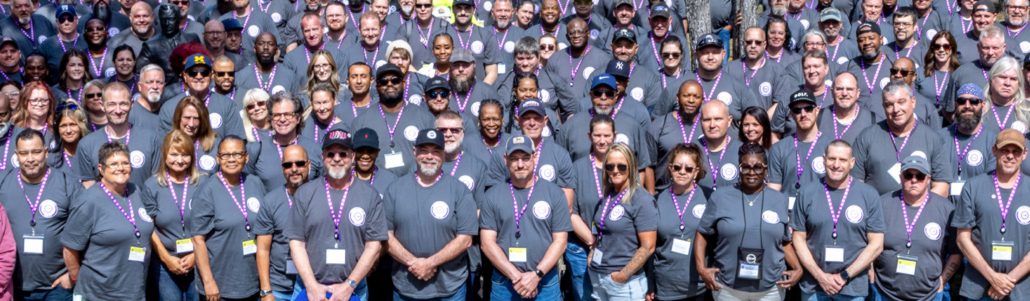
The conference aims to strengthen the bonds of solidarity among UAW members by providing training, motivation, and a call to action to demand safe worksites. The 2026 Conference will be held at the Walter and May Reuther UAW Family Education Center (Black Lake) from Sunday, May 3, through Friday, May 8, 2026. On-site registration/credentialing will occur in the Lecture Hall on Sunday, May 3rd, from 1 to 4:45 p.m. All delegates must attend the opening session on May 3rd at 5 p.m. in the Lecture Hall.

“Defining Health and Safety for Future Generations” begin with workplace safety as a fundamental right and a core part of strong collective bargaining agreements. Effective Contracts create safer job sites, and this conference will equip members with the knowledge and skills to negotiate and enforce strong health and safety protections along with methods to identify and mitigate hazards.

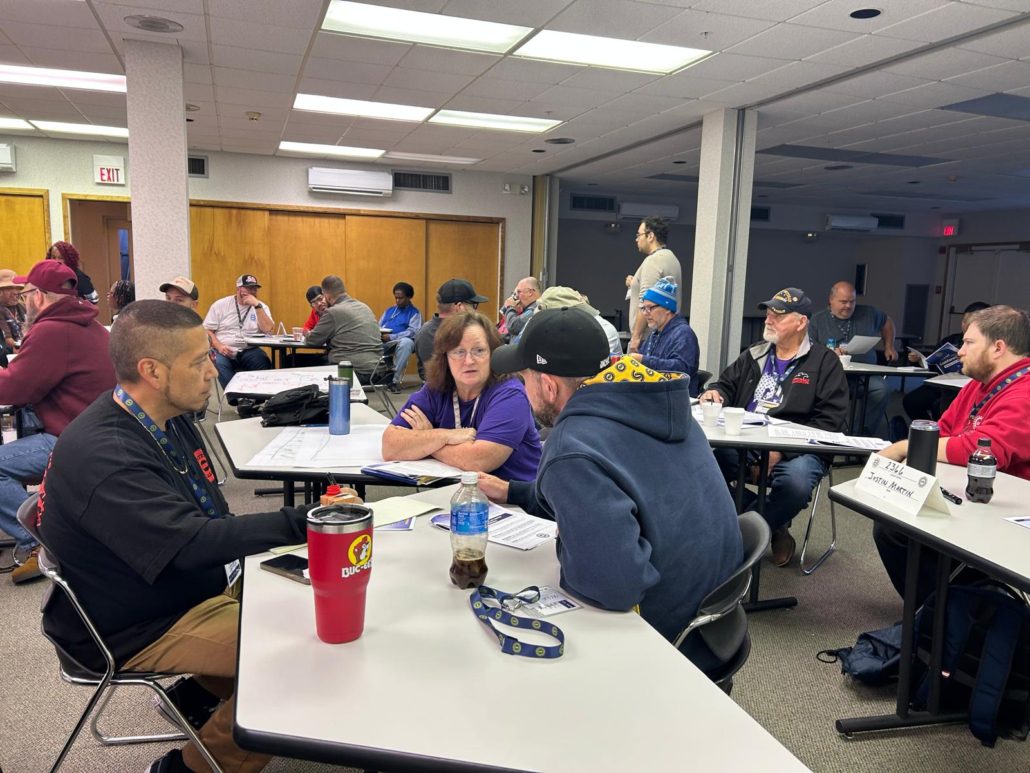
This year’s conference will once again provide helpful training for Health and Safety Representatives, Health and Safety Committee members, and Local Union Representatives on subjects ranging from industrial hygiene to ergonomics and other health and safety topics, including mental health. Please note that all first-time delegates will be enrolled in a “Core Curriculum” that will include an OSHA 10-hour class, Know Your Role What Every Health and Safety Rep Should Know and a class on Hazard Recognition. Other classes this year include workshops from the OSHA Training Institute Education Center (OTIEC). Credits earned taking these courses can be applied toward the Health and Safety “Specialist” and “Professional” credentials issued by the Great Lakes OTIEC. This year’s courses include Ergonomics, Incident Accident Investigation, Combustible Dust, Hazard Recognition, representatives from ANSI B11, NFPA and much more.

**We highly suggest that when you go to choose the classes for your delegates that they be included in the decision. We are under Grant funds and Audits and changes to their classes will be very limited.

Reach out to your local union leadership if interested in attending.